17 Jul 2026
Blackjack Reward Systems Expand With Mobile Play and Variant Rule Adaptations

Blackjack networks have integrated mobile platforms with variant rule sets, and data from industry tracking shows reward ladders advancing through combined access points that link practice sessions directly to live tournament brackets. Observers note that these systems allow participants to progress through tiers based on accumulated play across multiple rule modifications, including changes to dealer hit patterns and payout structures, while flexible transaction methods support seamless entry into higher levels.
Mobile Platforms Reshape Access to Networked Variants
Research indicates that mobile applications now host several blackjack modifications simultaneously, and users transition between standard tables and altered formats without leaving the same account framework. Studies from gaming technology firms reveal that session data collected on portable devices feeds into centralized leaderboards, which in turn unlock tiered rewards such as bonus credits or priority seating in scheduled events. Those who've examined platform logs find that variant rules, ranging from single-deck adjustments to multi-hand configurations, contribute separate point multipliers that accelerate ladder climbs when combined with consistent mobile participation.
Figures from network operators demonstrate steady growth in active mobile accounts since early 2025, and these accounts show higher rates of progression through reward tiers compared with desktop-only usage. Participants often discover that completing daily challenges on mobile, which incorporate rule variants like reduced deck penetration or modified insurance options, adds cumulative bonuses that carry over into live bracket competitions.
Variant Rules Interact With Transaction Flexibility to Build Incentives
Adaptive payment options integrate with variant play in ways that support continuous advancement, according to reports compiled by the American Gaming Association. Players complete deposits or withdrawals through digital wallets that sync with mobile sessions, and this integration permits immediate re-entry into modified rule tables without interrupting streak multipliers. Data indicates that networks applying different payout structures across variants record increased retention when transaction processing remains instantaneous and device-agnostic.
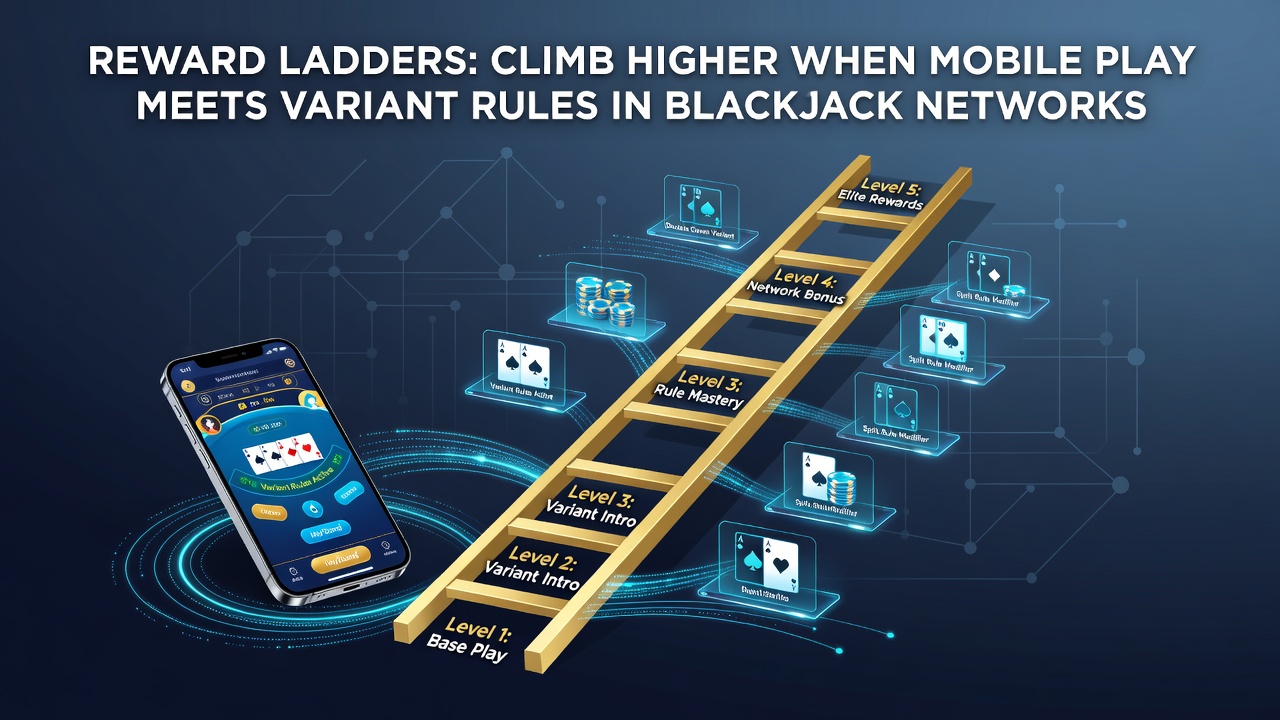
One documented case from a multi-state network showed participants reaching mid-tier rewards faster after mobile variants introduced rule tweaks such as early surrender availability. Those tracking these metrics observed that the combination of portable access and varied rules created additional pathways for point accumulation, which operators then converted into tournament invitations or loyalty credits. External research published through academic gaming studies confirms that such mechanics distribute incentives more evenly across user bases when mobile interfaces handle both rule selection and payment routing.
Network Schedules and Bracket Events Align With Mobile Data Streams
Industry projections for July 2026 include expanded bracket events that draw directly from mobile variant performance logs. Network administrators schedule these events using aggregated statistics that weigh rule-specific achievements, and participants who maintain mobile streaks receive automatic qualification boosts. Evidence from operational dashboards shows that ladders extend further when mobile play incorporates multiple variants because each format contributes distinct scoring elements that compound over time.
Observers tracking cross-platform activity note that digital wallet integrations reduce friction during transitions between practice modes and competitive brackets. This setup allows users to apply accumulated rewards toward entry fees or side bets within variant tables, and records indicate sustained activity levels across regions where such features operate. Canadian provincial gaming reports highlight similar patterns in regulated online environments where mobile access combines with rule flexibility to support tiered progression systems.
Conclusion
Networked blackjack environments continue to link mobile participation with variant rule sets through unified reward mechanisms that track progress across devices and formats. Available data from multiple regulatory and industry sources shows these connections produce measurable advances in ladder positioning when transaction tools and rule modifications operate together. Ongoing platform updates scheduled through 2026 maintain these linkages, allowing participants to accumulate benefits based on consistent engagement patterns rather than isolated sessions.