15 May 2026
Cardroom Operators Challenge New State Restrictions on Blackjack-Style Games

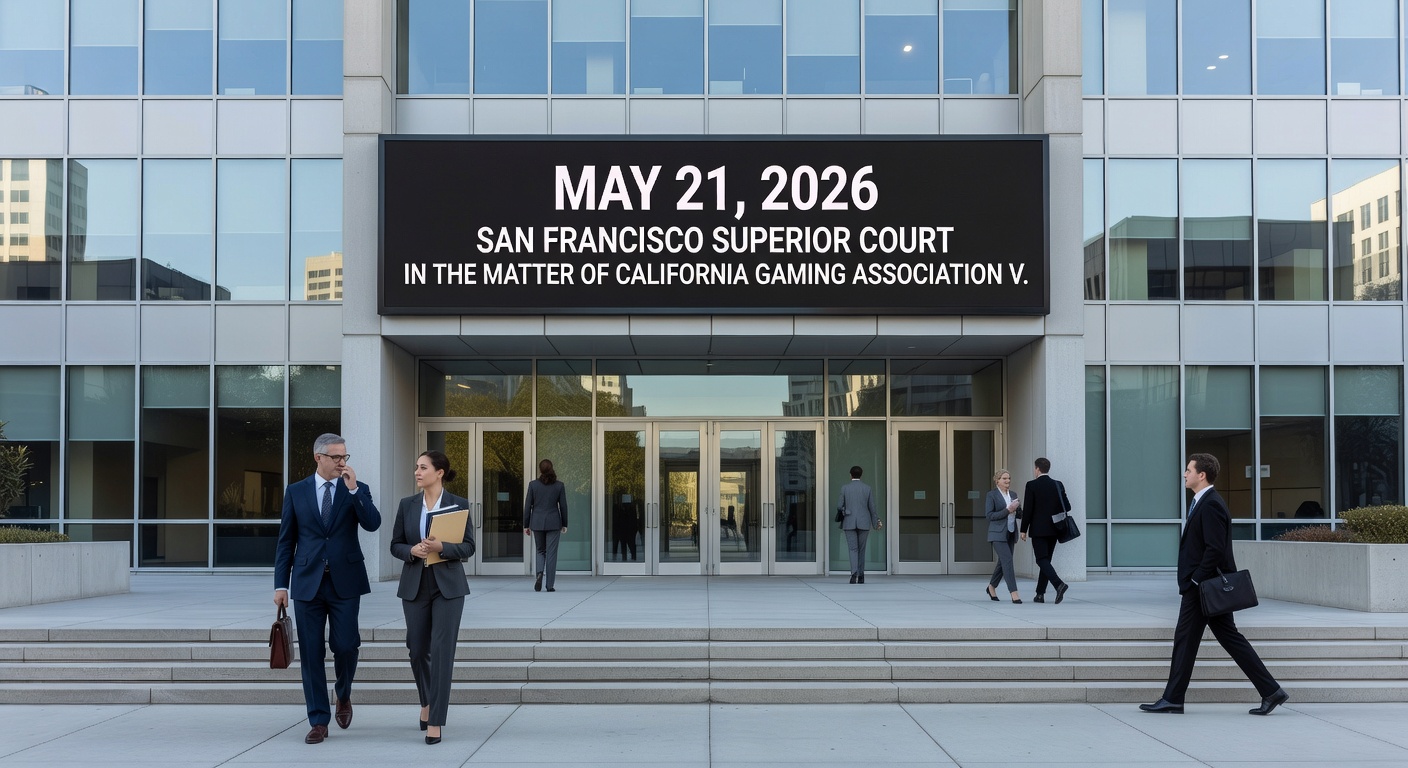
California cardrooms along with the California Gaming Association have initiated legal proceedings in San Francisco Superior Court, where they seek a preliminary injunction against regulations advanced by Attorney General Rob Bonta, and these measures draw on an 1885 statute to prohibit blackjack-style offerings in non-tribal facilities. The rules, which activate on April 1 2026, require operators to modify existing games or face potential shutdowns that industry projections link to revenue reductions approaching fifty percent in affected locations.
Background of the Regulatory Shift
State regulators developed teh new framework to enforce longstanding prohibitions on certain banking games, and cardroom representatives maintain that prior approvals from multiple agencies had validated the formats now under scrutiny. Observers note that the 1885 law forms the core legal reference, while industry groups contend that enforcement authority rests exclusively with the California Gambling Control Commission following formal administrative hearings rather than direct action through the Attorney General's office.
The lawsuit filing emphasizes procedural concerns, and plaintiffs argue that abrupt implementation bypasses required review processes established under state gaming statutes. Data from cardroom operators indicate that blackjack-style variants currently generate substantial portions of overall income across dozens of facilities statewide, which creates direct connections to local government budgets in communities that rely on associated tax revenues.
Economic Considerations for Affected Communities
Cities including Commerce and Hawaiian Gardens have already begun assessing fiscal adjustments, since cardroom contributions form major elements of municipal funding streams, and potential closures or game alterations could trigger workforce reductions affecting hundreds of positions. Analysts from industry associations project that halved revenues would compound pressures on public services, while employment figures reveal cardrooms as primary employers in several regions where alternative job markets remain limited.
Those who have examined similar regulatory transitions in other jurisdictions point out that phased implementation often allows businesses time to adapt without immediate disruptions, yet the April 2026 timeline leaves operators with roughly twelve months for compliance planning. Local budget documents from affected municipalities show cardroom-related taxes supporting police, fire, and infrastructure programs, which adds layers of complexity to the ongoing dispute.
Legal Arguments Presented by Industry Groups
Plaintiffs assert that the games in question received explicit authorizations from state agencies over extended periods, and they reference documentation showing approvals that predate the current regulatory push. The complaint further claims that only the Gambling Control Commission possesses statutory power to impose outright bans, and such actions require public hearings plus opportunities for operator input before final decisions take effect.
Representatives from the California Gaming Association have submitted declarations detailing historical licensing practices, while court filings highlight instances where similar game formats operated under oversight from both local and state entities without prior challenge. Legal observers familiar with gaming jurisprudence note that disputes over regulatory authority frequently center on questions of delegation between executive offices and specialized commissions, and this case follows that established pattern.
Upcoming Proceedings and Timeline
A key hearing scheduled for May 19 will address the request for preliminary injunctive relief, and the outcome could determine whether the regulations proceed on schedule or face additional delays pending full litigation. Court records indicate that both sides have prepared extensive briefs covering statutory interpretation, administrative procedure, and economic impact assessments, which sets the stage for arguments that may extend into subsequent months.
Participants in the proceedings expect the judge to evaluate whether plaintiffs demonstrate sufficient likelihood of success on the merits alongside potential irreparable harm, and these standards guide decisions on temporary halts to enforcement actions. The May 19 date falls well before the April 2026 effective date, which provides a window for judicial review without immediate operational changes at cardroom facilities.
Conclusion
The lawsuit represents a direct response to regulatory developments that could reshape operations across California's non-tribal cardroom sector, and resolution of the preliminary injunction request will influence short-term compliance strategies for operators statewide. Stakeholders continue to monitor developments as the May 19 hearing approaches, since rulings at this stage often establish parameters for subsequent negotiations or appeals that extend through the remainder of 2025 and into the implementation period.