19 Jul 2026
Digital Networks Revolutionizing Blackjack Access Worldwide

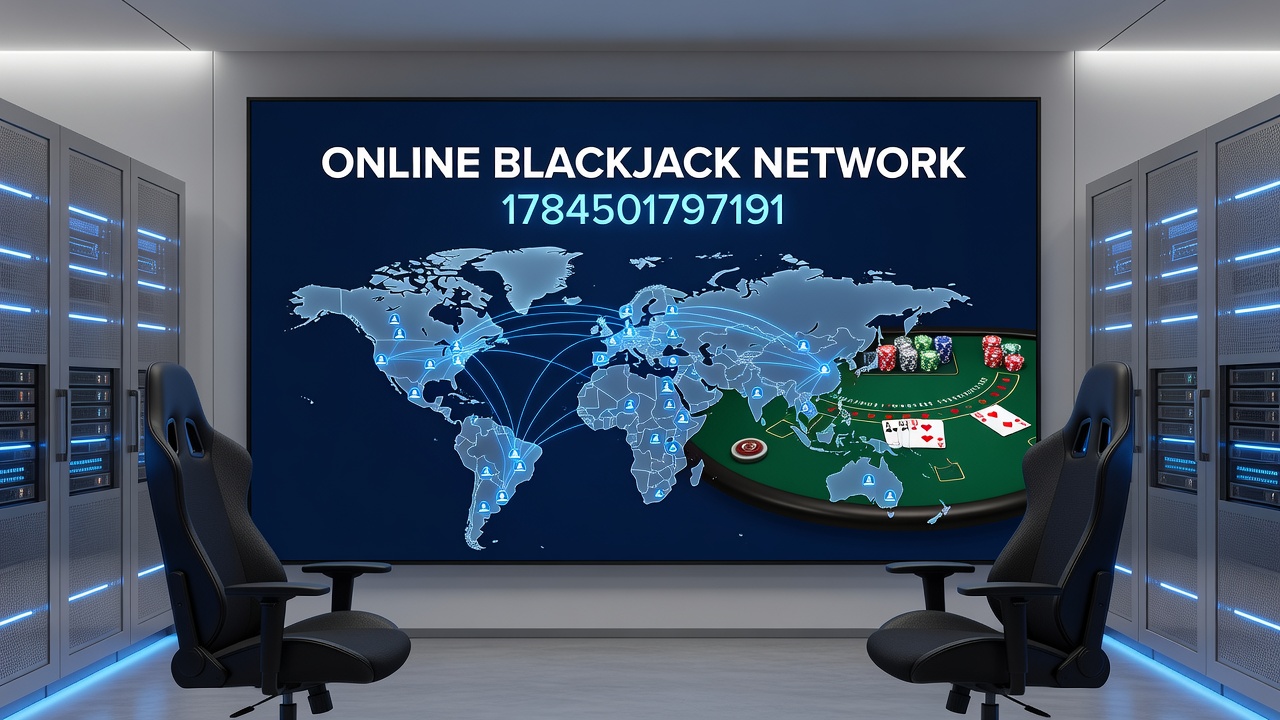
Online blackjack networks operate as interconnected systems that link multiple platforms together so players access shared game pools and tournaments from single accounts, and data shows these networks expanded rapidly after 2020 when remote gaming regulations updated across several jurisdictions. Observers note the infrastructure relies on centralized servers that synchronize real-time results while maintaining separate operator licenses for each region involved.
Core Architecture Behind Networked Play
Network operators use distributed ledger technology alongside traditional random number generators to ensure consistent outcomes across all connected sites, and researchers at institutions like the University of Nevada Reno Gaming Research Center documented how these systems reduce latency to under 50 milliseconds during peak hours. Multiple operators share the same player liquidity which increases table availability especially during off-peak times in any single timezone.
Security protocols include end-to-end encryption for every hand along with continuous monitoring by independent testing labs, while figures from the New Jersey Division of Gaming Enforcement reveal that network audits occur quarterly to verify compliance with payout percentages that typically range between 99.4 and 99.6 percent for standard variants.
Global Player Pools and Tournament Structures
Shared liquidity pools allow participants from different countries to compete in the same events simultaneously, and industry reports from the Canadian Gaming Association indicate that multi-jurisdictional tournaments grew by 34 percent between 2023 and 2025. Players select tables based on stakes and rulesets while the network handles currency conversion and regional tax withholdings automatically.
Progressive jackpot systems span across all linked platforms so contributions from every hand accumulate into larger prize pools, and one documented case from an Australian operator showed a single network-wide jackpot reaching 4.2 million dollars before distribution in early 2025.
Regulatory Developments Through Mid-2026
By July 2026 several additional jurisdictions plan to join existing networks after completing technical certification processes, and data from the Malta Gaming Authority shows that new entrants undergo six-month probationary periods before full integration. These expansions focus on standardized API connections that allow seamless account transfers without requiring players to create duplicate profiles.
Cross-border data sharing agreements also advance during this period, whereas earlier frameworks required separate reporting streams for each license; now consolidated dashboards provide regulators with unified views of player activity across all connected markets.
Technological Integrations Driving Growth
Live dealer feeds route through central distribution hubs that route video streams to regional servers for lower latency, and testing from the Isle of Man Gambling Supervision Commission confirmed uptime rates above 99.8 percent across major networks during 2025. Mobile optimization receives continuous updates to support varying screen sizes and connection speeds without interrupting ongoing sessions.
Payment gateways integrate directly with the network layer so deposits and withdrawals process through unified ledgers, while transaction logs remain accessible to both operators and players through secure portals. One study published by the University of Sydney Business School examined how these integrations reduced average processing times from 48 hours to under 12 hours for verified accounts.
Conclusion
Networked blackjack platforms continue evolving through combined efforts of technology providers, regulators, and operators, and evidence indicates sustained growth as more regions adopt compatible frameworks by July 2026. The systems deliver consistent gameplay experiences while meeting diverse compliance requirements across borders, creating a foundation for future expansions in connected gaming environments.