10 Jul 2026
Digital Pathways from Practice Sessions to Tournament Play in Blackjack: Funding Options, Live Dealers, and Incentive Programs
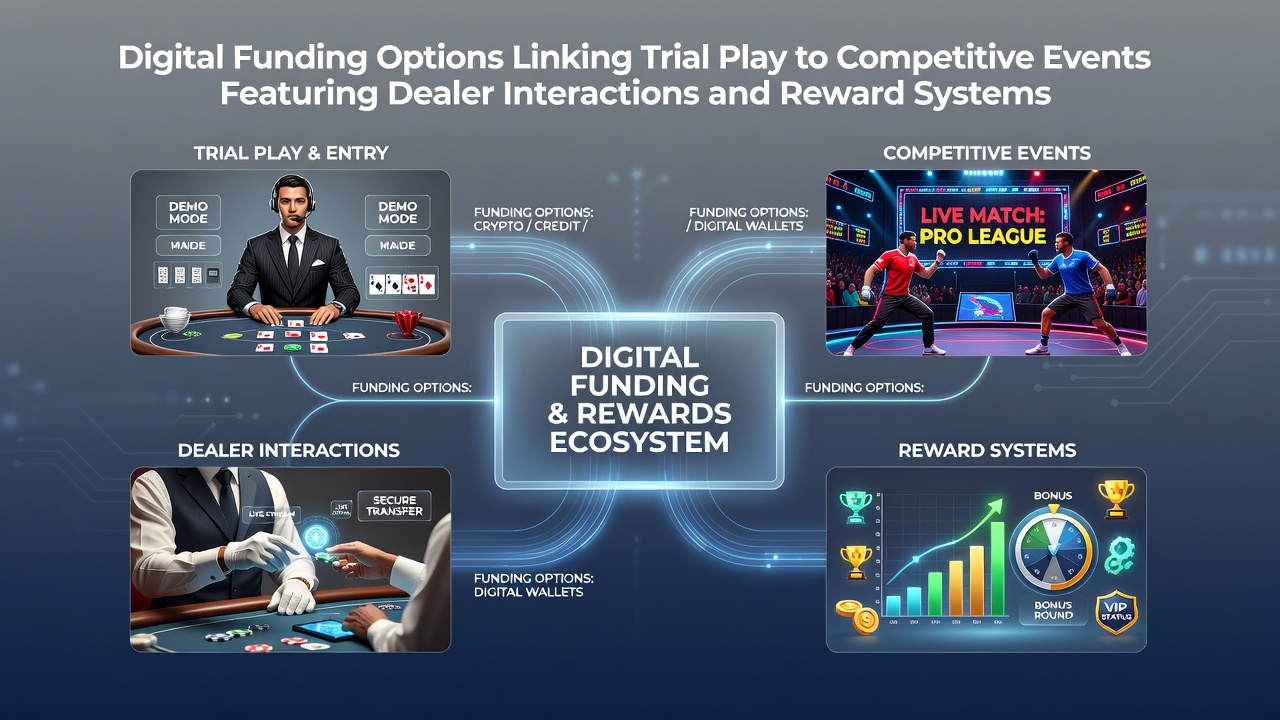
Digital funding mechanisms now connect trial play environments directly to competitive blackjack events, where players transition from demo rounds into bracket competitions that incorporate live dealer interactions along with structured reward tiers. These systems rely on integrated payment platforms that handle deposits, bonus allocations, and tournament entries without requiring separate accounts for each stage of engagement. Data from platform operators indicates that seamless wallet linkages reduce friction during the shift from practice to paid events, allowing participants to maintain progress across variants while accessing real-time dealer sessions.
Funding Mechanisms That Support Trial-to-Competitive Transitions
Payment processors integrate with mobile applications to enable instant transfers from practice balances into tournament entry fees, often through digital wallets that support multiple currencies and instant verification. Research from industry reports shows that users who link trial accounts to funded profiles complete more transitions into live events compared with those who manage separate logins. These options include prepaid cards, e-wallets, and bank transfers that sync automatically with reward ledgers, tracking both practice achievements and competitive results in unified dashboards. Observers note that such connectivity proves especially relevant as regulatory adjustments unfold in July 2026, when several jurisdictions update rules governing online gaming transitions.
Live Dealer Interactions Within Bracket Structures
Competitive events feature real-time dealer engagements streamed through networked platforms, where participants compete in variants that adapt standard rules for tournament pacing. Dealers manage multiple tables simultaneously in these setups, responding to player decisions while enforcing bracket progression tied to funding confirmations. Figures from platform analytics reveal that sessions incorporating live elements sustain higher retention rates once players move from demo modes, because the human interaction adds layers of strategy verification absent in automated practice rounds. Those who have examined these formats find that reward systems activate based on dealer-confirmed outcomes, distributing bonuses directly into linked wallets upon bracket advancement.
Reward Systems and Their Connection to Digital Transactions
Structured incentive programs allocate points and cash equivalents based on performance metrics collected across practice and live phases, with digital funding serving as the conduit for redemption. Studies indicate that platforms offering tiered rewards tied to transaction history encourage repeated movement between trial play and paid competitions. For example, one network implemented a system where accumulated demo scores convert into entry credits for live dealer tournaments, processed through the same payment rails used for deposits. This approach aligns with broader trends in mobile gaming, where flexible payment options reduce barriers for users exploring variant strategies before committing funds.

What's interesting is how these reward structures adapt to different blackjack modifications, such as side bets or rule tweaks, while maintaining consistent funding pathways. Data shows that players utilizing integrated wallets access bonus windfalls more rapidly after live sessions conclude, because transaction logs feed directly into the reward calculation engines. Experts have observed that this integration supports sustained engagement through July 2026, when seasonal tournament calendars expand alongside evolving payment regulations in multiple regions.
Platform Examples and Network Integration Patterns
Take one operator that synchronized its practice environment with a series of live dealer brackets, allowing instant funding transfers that carried over accumulated multipliers from demo play. Industry analyses highlight similar models across networked platforms, where digital wallets serve as the common thread linking trial metrics to competitive standings. Those who've reviewed transaction volumes note that reward redemptions occur faster when payment flexibility accommodates both small practice top-ups and larger tournament entries. According to reports from the American Gaming Association, such connectivity contributes to overall sector growth amid shifting compliance requirements.
Yet another case involves platforms that embed dealer interaction logs within the funding interface, enabling users to review how specific decisions influenced reward eligibility before advancing brackets. Research indicates these features help participants refine approaches across variants without disrupting the flow from practice to paid events. The reality is that digital funding options continue to evolve in response to user patterns documented through 2026, particularly where live dealer elements intersect with mobile accessibility.
Conclusion
Digital funding options establish direct linkages between trial play and competitive blackjack events by supporting seamless wallet integration, live dealer oversight, and layered reward distribution. These elements combine to create pathways that accommodate various player progressions while aligning with regulatory developments projected through July 2026. Platform data consistently shows that unified transaction systems enhance movement across practice and live formats, sustaining engagement through structured incentives and real-time interactions. Observers continue to track how these mechanisms adapt as networks expand their tournament offerings and payment capabilities.