30 Jun 2026
From Free Play to Live Brackets: Reward Structures and Transaction Dynamics in Blackjack Variants
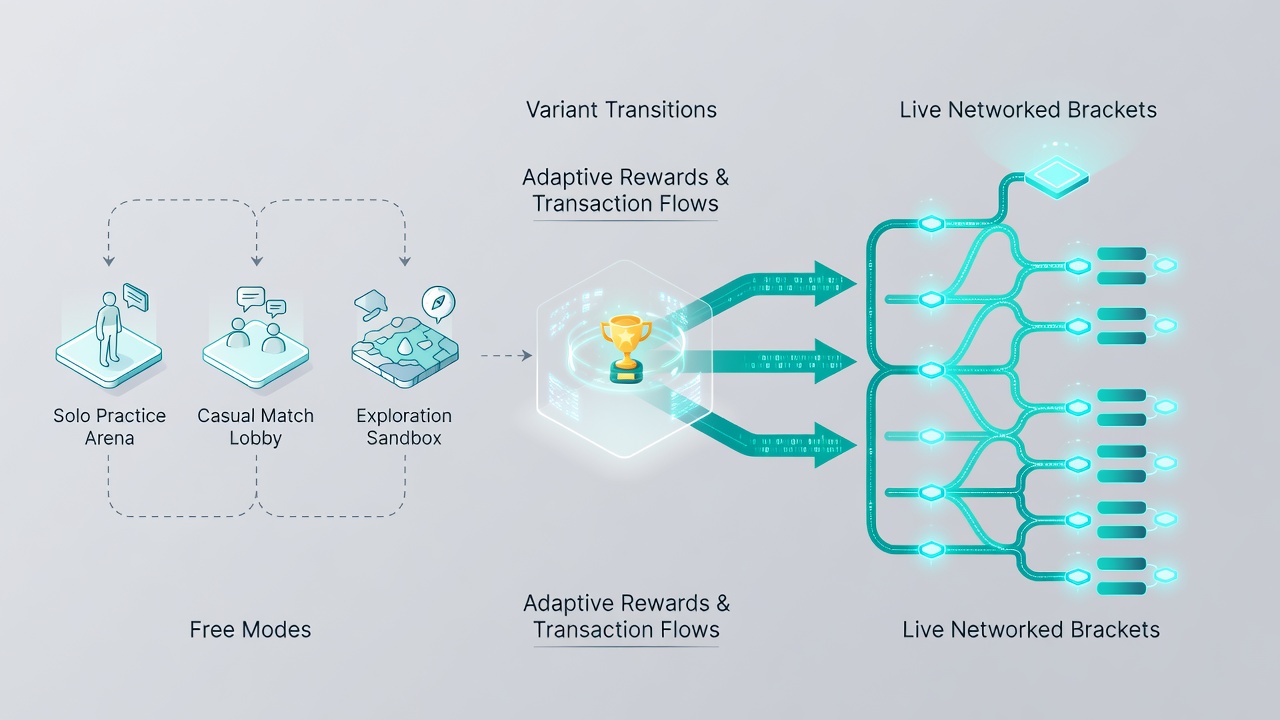
Observers in the gaming industry note that many players start their experience with blackjack variants through free modes available on mobile applications, where they test rulesets and strategies without any monetary involvement, and these initial sessions often serve as gateways when adaptive reward mechanisms activate based on performance metrics.
Researchers tracking user behavior across platforms find that free play environments allow experimentation with modifications such as side bets or rule tweaks while data collection occurs in the background to inform later personalized incentives, yet the shift to paid brackets depends on seamless transaction integrations that convert accumulated points into entry credits.
Free Mode Foundations and Early Engagement Patterns
Experts tracking mobile gaming patterns report that free modes typically feature simplified transaction flows where users earn virtual currencies through daily logins or challenge completions, and these systems prepare participants for live events by mirroring the structure of real-money brackets without immediate financial risk. Studies from academic sources on digital entertainment reveal that engagement spikes when free sessions incorporate variant-specific tutorials, allowing users to master elements like infinite deck options before entering competitive pools.
Adaptive Rewards as Transition Catalysts
Adaptive reward programs function by monitoring session data such as win rates and decision accuracy, then scaling bonuses accordingly to encourage progression, while transaction flows handle the conversion of these rewards into bracket entries through integrated digital wallets. Those who've examined platform architectures note that rewards often tier in response to variant choices, so a player focusing on European-style blackjack might receive targeted multipliers that align with upcoming networked tournaments.
Data indicates that platforms adjust reward algorithms seasonally to maintain interest, and this flexibility supports transitions by offering hybrid credits that work across both practice and live formats. One study revealed that users who accumulate rewards in free modes show higher retention when moving to bracket events, because the payment systems reduce friction with options like instant transfers or scheduled payouts.
Transaction Flows Enabling Bracket Access
Transaction mechanisms in these environments connect practice accounts directly to live leaderboards through secure payment gateways, and they adapt to user preferences by supporting multiple methods including bank transfers or app-based credits. Researchers have observed that these flows incorporate verification steps that sync with reward tiers, ensuring eligibility for networked events without separate account setups.
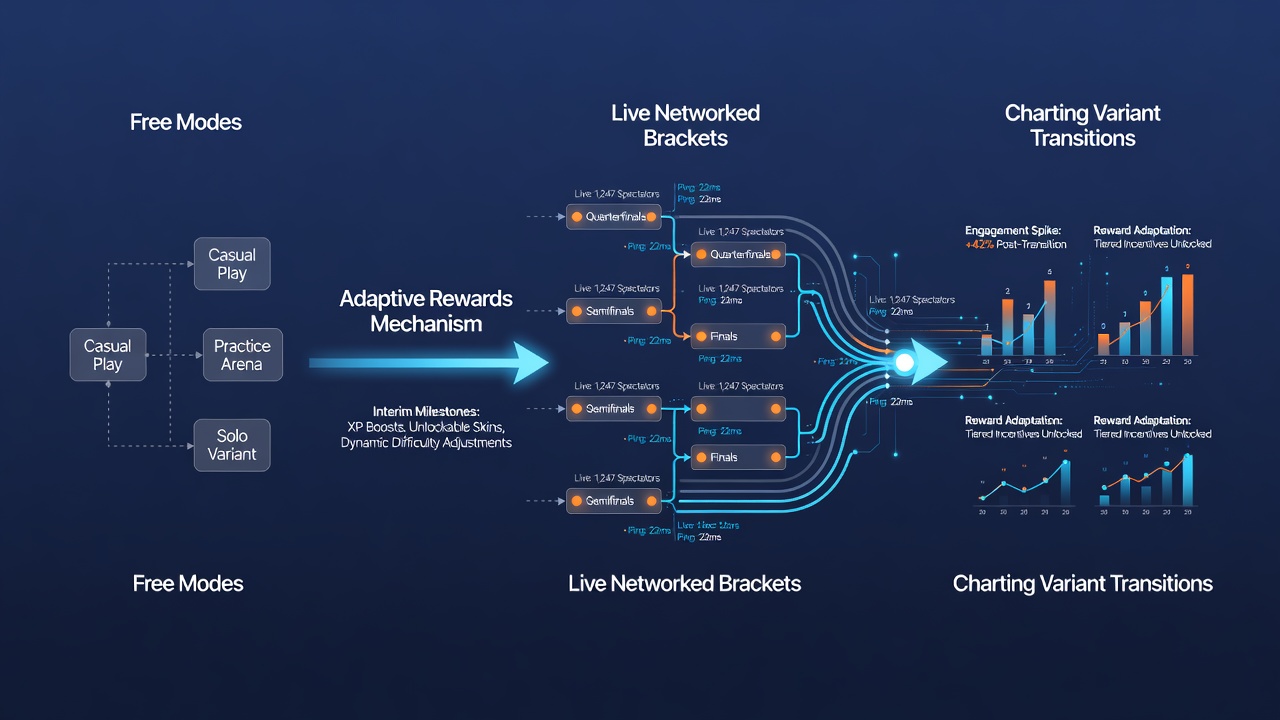
Figures from industry reports show increased activity in June 2026 around platform updates that streamlined these connections, allowing quicker shifts from free variants to live brackets. What's significant is how these systems handle multi-variant play, where rewards earned in one modification carry over to influence entry into different tournament types.
Variant-Specific Pathways in Networked Settings
People who've analyzed tournament data find that variants with unique rules benefit most from adaptive rewards because they require specialized practice, and transaction options then facilitate entry into corresponding live brackets. For instance, platforms often route users who excel in free multi-hand sessions toward brackets featuring similar mechanics through bonus pathways that adjust based on prior performance.
According to the Nevada Gaming Control Board, regulatory frameworks emphasize transparent reward disclosures to support fair transitions, while similar guidelines from the European Gaming Regulators Association address cross-border networked events. Observers note that such oversight helps maintain consistent transaction standards across regions.
Integration Challenges and Platform Responses
Platform developers address integration by designing unified dashboards that display both free progress and live bracket availability, and this approach reduces drop-off during transitions. Evidence suggests that when rewards tie directly to transaction histories, users maintain momentum from practice into competitive play more effectively.
Conclusion
Overall patterns in the sector demonstrate that charting these transitions relies on interconnected reward and transaction systems that evolve with user activity, and continued platform refinements support broader access to live networked brackets from initial free modes. Data collected through 2026 continues to highlight the role of adaptive mechanics in sustaining engagement across blackjack variants.