17 May 2026
How Secure Transactions Shape Strategic Progression Across Blackjack Variants in Networked Mobile Tournaments
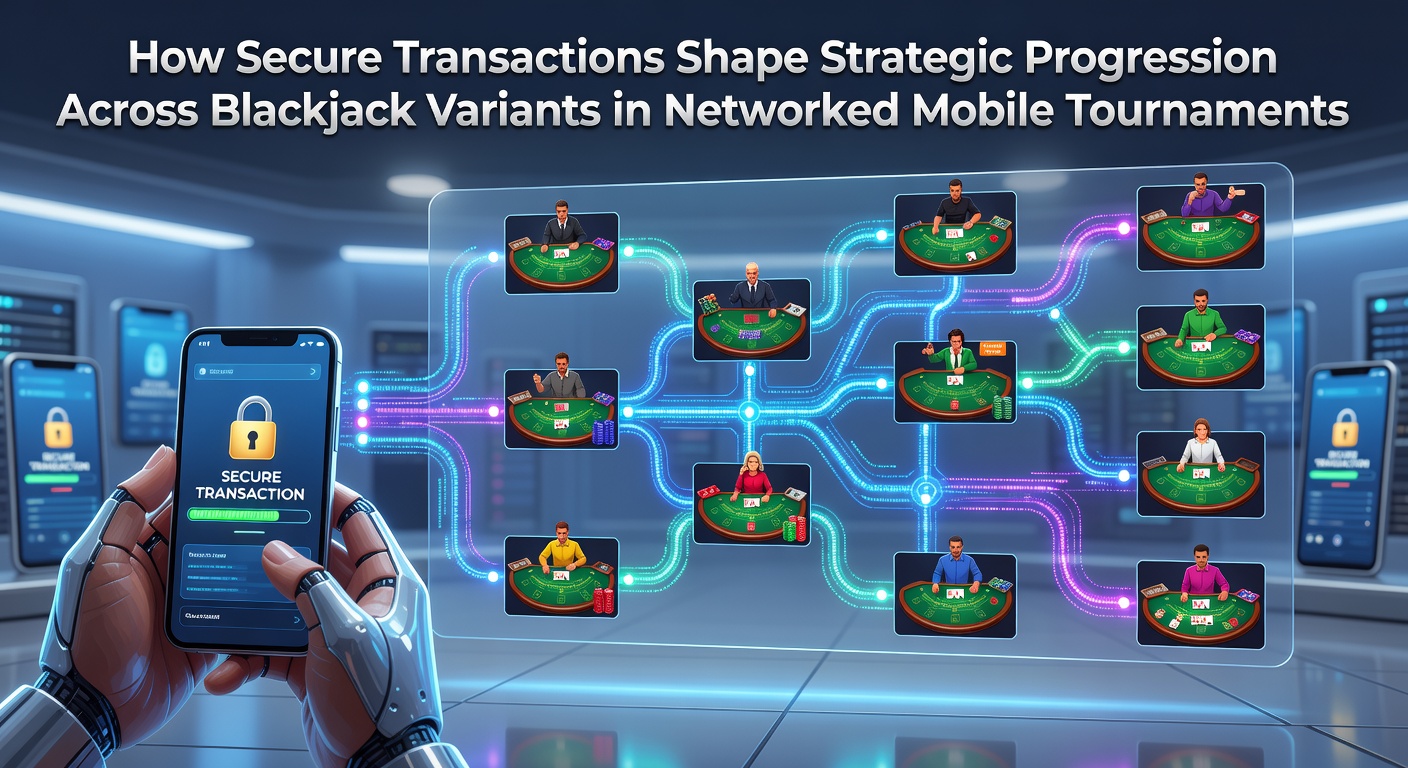
Secure transaction systems underpin player movement through leaderboards in networked mobile blackjack events where variants range from standard European rules to multi-hand formats and side-bet heavy tables. These systems rely on end-to-end encryption and instant settlement protocols that let participants adjust stakes or enter new rounds without leaving the application interface. Data from industry reports shows that platforms processing payments in under three seconds record higher average session lengths compared with slower legacy processors.
Transaction Infrastructure in Mobile Networks
Network operators integrate tokenization and biometric verification so funds move between player wallets and tournament pools while meeting standards set by the Nevada Gaming Control Board. This setup reduces downtime during rebuys or add-ons and supports simultaneous play across several blackjack variants within one event. Players who complete verified deposits early gain access to practice tables that mirror live tournament conditions and allow refinement of basic strategy charts before real-money rounds begin.
Real-time balance updates also feed directly into progression algorithms that rank participants according to chip accumulation and variant-specific multipliers. When a secure gateway confirms a transaction the system immediately recalculates position on the shared leaderboard and notifies connected users through push alerts. Studies conducted by the University of Nevada Reno gaming research group indicate that platforms with sub-second confirmation times experience fewer mid-tournament dropouts.
Variant-Specific Strategy Adjustments
Different blackjack variants place distinct demands on transaction speed. Infinite-deck games reward consistent small bets that rely on frequent top-ups while European single-deck events favor larger initial wagers that require substantial pre-funded balances. Secure processing lets players shift between these approaches without exiting the tournament interface or waiting for manual approvals. Observers note that participants who maintain verified payment methods complete these transitions in roughly half the time required on unsecured networks.
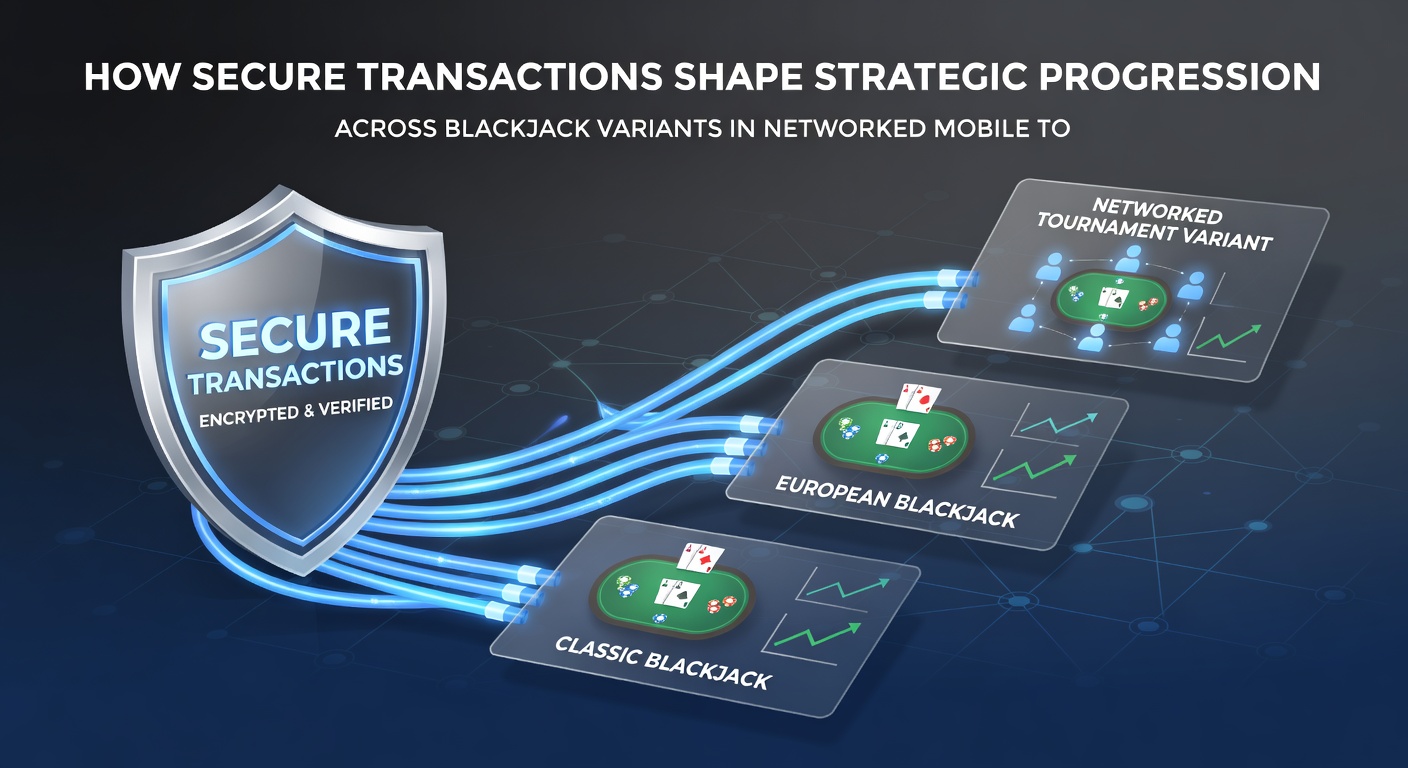
Side-bet heavy tables add another layer because insurance and pair-split options trigger micro-transactions that must clear before the next hand resolves. Encrypted channels handle these small movements alongside main bet settlements so total exposure stays visible on a single dashboard. Research published by the Canadian Institute for Gaming Studies found that players using tokenized wallets adjust side-bet frequency more fluidly across a multi-variant schedule than those relying on external bank transfers.
Progression Mechanics and Leaderboard Dynamics
Tournament structures award points based on chip totals at preset intervals and these totals update only after confirmed transactions settle. Secure systems therefore determine how quickly a participant climbs from qualifier brackets into semifinal or final tables. Networks scheduling major events for May 2026 have begun publishing payout curves that factor in average transaction latency as a performance variable. Faster confirmation correlates with steadier advancement because players avoid the penalty of sitting out while funds clear.
Re-entry windows open at fixed intervals and secure gateways allow instant re-purchase for eliminated players. Data collected across several North American operators shows that re-entry rates rise when processing occurs under two seconds. This pattern holds across standard blackjack alongside variants that incorporate surrender rules or continuous shuffle mechanics. Participants who preload multiple verified payment options maintain continuous presence on leaderboards even when one method encounters temporary network congestion.
Regulatory Environment and Future Schedules
North American and European regulators continue to refine requirements for transaction audit trails in mobile gaming. Platforms that adopt standardized security protocols gain approval for larger prize pools and cross-border tournament hosting. These approvals directly affect which variants appear on the May 2026 calendar because operators must demonstrate that payment flows meet jurisdictional thresholds before new events launch. Compliance documentation now includes latency statistics alongside traditional security certifications.
Industry associations such as the European Gaming and Betting Association track how transaction reliability influences overall participation numbers. Their quarterly summaries reveal steady growth in mobile blackjack entries when platforms publish transparent processing times. Players who review these figures before registration often select networks that combine variant diversity with verified settlement speed.
Conclusion
Secure transaction frameworks determine the pace at which participants advance through networked mobile blackjack tournaments and shape viable strategies across multiple variants. Faster settlement supports flexible bankroll management while regulatory alignment ensures continued expansion of event calendars including those planned for May 2026. Data consistently links processing reliability to higher completion rates and more dynamic leaderboard movement regardless of the specific blackjack rules in play.