28 Jun 2026
Mapping Financial Routes from Variant Trials to Elite Tournament Circuits

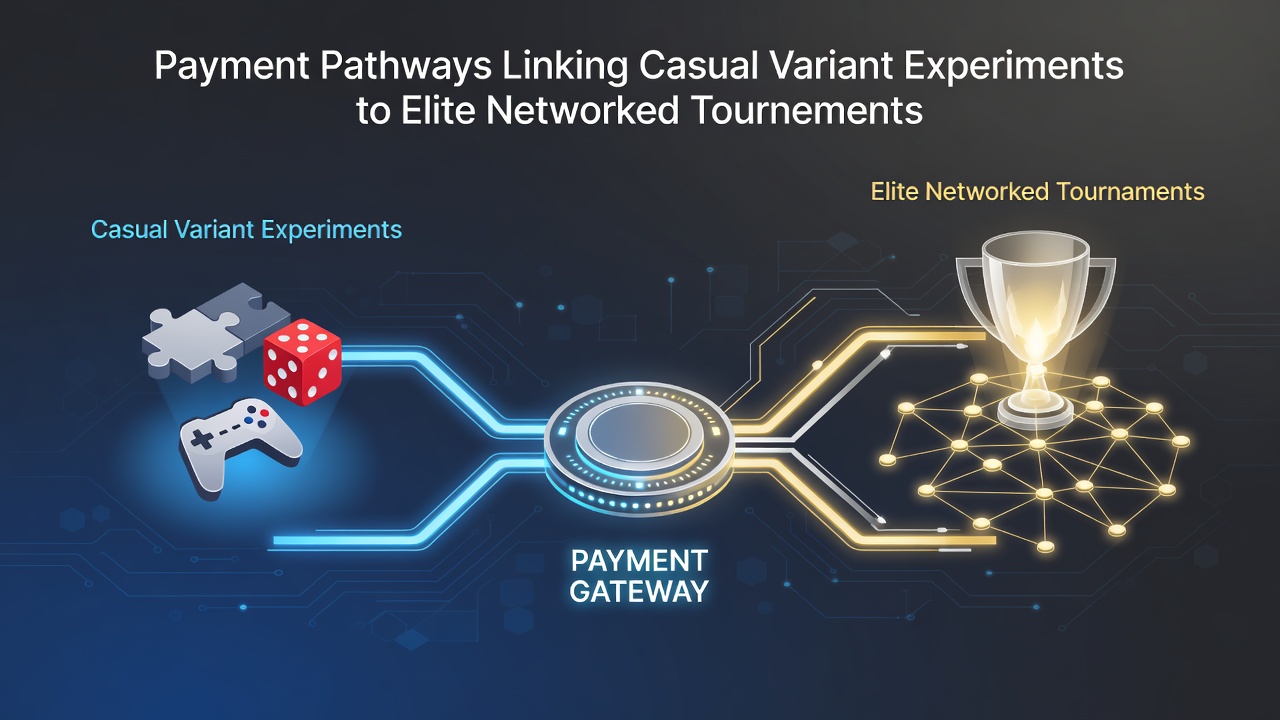
Payment systems now serve as the primary connectors between casual experiments with game variants and participation in elite networked tournaments, where players move through structured financial channels that support both practice sessions and competitive entries. These pathways rely on digital wallets, tiered transaction options, and integrated reward mechanisms that track progress from initial trials to bracketed events scheduled across multiple platforms.
Core Mechanics of Transaction Pathways
Observers note that players often begin with low-stakes variant experiments using flexible deposit methods that allow repeated testing without large commitments, while the same accounts scale up automatically when qualification thresholds for tournaments are met. Data from platform operators shows that seamless payment integration reduces drop-off rates between practice phases and live competition brackets, because users maintain single profiles that carry balances, histories, and eligibility markers forward. Research indicates that adaptive payment limits, adjusted according to verified play volume, enable participants to shift from casual modes into higher-stakes circuits during peak qualification windows, including those opening in June 2026.
Role of Digital Wallets and Bonus Linkages
Digital wallet providers facilitate the movement of funds between practice environments and tournament registration portals by supporting instant transfers and real-time balance updates that reflect both experimental play and competitive results. Those who have studied participation patterns report that bonus structures tied directly to transaction volume create clear progression incentives, where accumulated credits from variant trials convert into entry fees or stake multipliers for elite events. According to findings published by the Gaming Standards Association, platforms employing unified wallet systems recorded higher retention across tournament cycles compared with fragmented payment setups.
Payment flexibility also appears in the form of scheduled release dates for prize pools and leaderboard rewards, which align with qualification calendars and allow players to reinvest winnings without exiting the network environment. Figures from Canadian regulatory filings reveal that such synchronized systems supported a measurable rise in cross-variant tournament entries during the first half of 2025, setting the stage for expanded circuits planned for mid-2026.
Regional Regulatory Influences on Payment Structures
Regulatory frameworks in various jurisdictions shape how these payment pathways operate, with licensing requirements dictating the speed and transparency of fund movements between casual and competitive layers. In Australia, oversight from the Australian Communications and Media Authority has prompted operators to implement clearer disclosure rules around transaction fees that affect progression from experimental sessions to bracket events. European operators, meanwhile, follow guidelines from national bodies that emphasize secure authentication for high-value transfers, ensuring that players advancing through variant experiments maintain verified accounts eligible for elite networked competitions.
Platform developers have responded by embedding compliance checks directly into payment flows, so that eligibility for June 2026 tournament series can be confirmed at the moment of entry-fee processing. This integration prevents delays that previously interrupted player momentum between casual trials and professional circuits.
Future Developments in Networked Payment Systems
Industry reports project continued refinement of these pathways through the addition of predictive analytics that anticipate when casual players will reach qualification thresholds and pre-authorize corresponding payment tiers. Such tools aim to streamline movement into elite events without requiring separate account actions or manual verifications. Observers tracking platform updates note that testing of these features began in late 2025 and is expected to expand ahead of the next major qualification cycle.
Conclusion
Payment pathways continue to evolve as the essential infrastructure linking casual variant experiments with participation in elite networked tournaments. By supporting fluid transitions through wallets, bonuses, and regulatory-compliant processes, these systems maintain the operational continuity required for players to advance across competitive levels on schedule with events such as the June 2026 series. Continued alignment between transaction technology and tournament calendars will determine how efficiently future participants navigate from initial trials to top-tier brackets.