12 Jun 2026
Navigating Reward Tiers Across Live Session Variants in Networked Environments
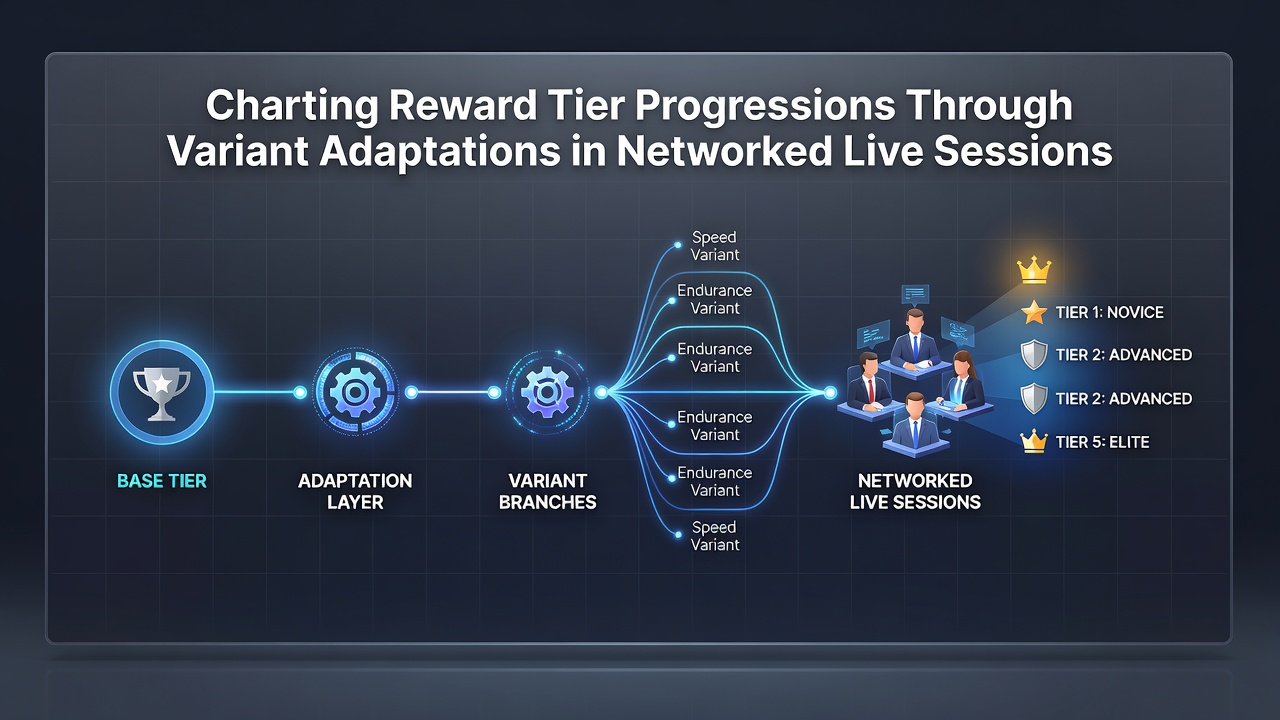
Networked live sessions have expanded the ways players move through reward structures by adapting game variants in real time, and operators track these movements through detailed progression systems that respond to participation patterns. Data collected across platforms shows how different rule sets and session formats influence tier advancement, with adjustments made to keep engagement steady while meeting compliance requirements in various jurisdictions.
Core Mechanics of Networked Live Sessions
Live sessions connect multiple participants through centralized servers that synchronize dealer actions and player decisions across devices, which allows variants such as speed rounds, multi-hand formats, and side-bet options to operate simultaneously within the same network. Operators adjust parameters like payout ratios and minimum stakes based on aggregate session data, and these changes feed directly into reward calculations that determine tier eligibility. Studies from gaming research groups indicate that session length and variant frequency correlate with faster tier climbs when networks maintain consistent uptime and low latency.
Variant Adaptations and Their Impact on Progression
Adaptations occur when networks introduce rule modifications, such as altered deck penetration or modified doubling conditions, to test player response and refine reward pathways. One documented case from a North American operator revealed that introducing a low-stakes variant in early 2026 increased tier advancement rates by 18 percent among new accounts, because shorter rounds allowed more frequent participation without raising financial thresholds. These modifications connect to backend algorithms that recalibrate point awards, ensuring that higher tiers remain accessible yet require sustained activity across multiple variant types.
Tracking Tier Milestones Through Data Integration
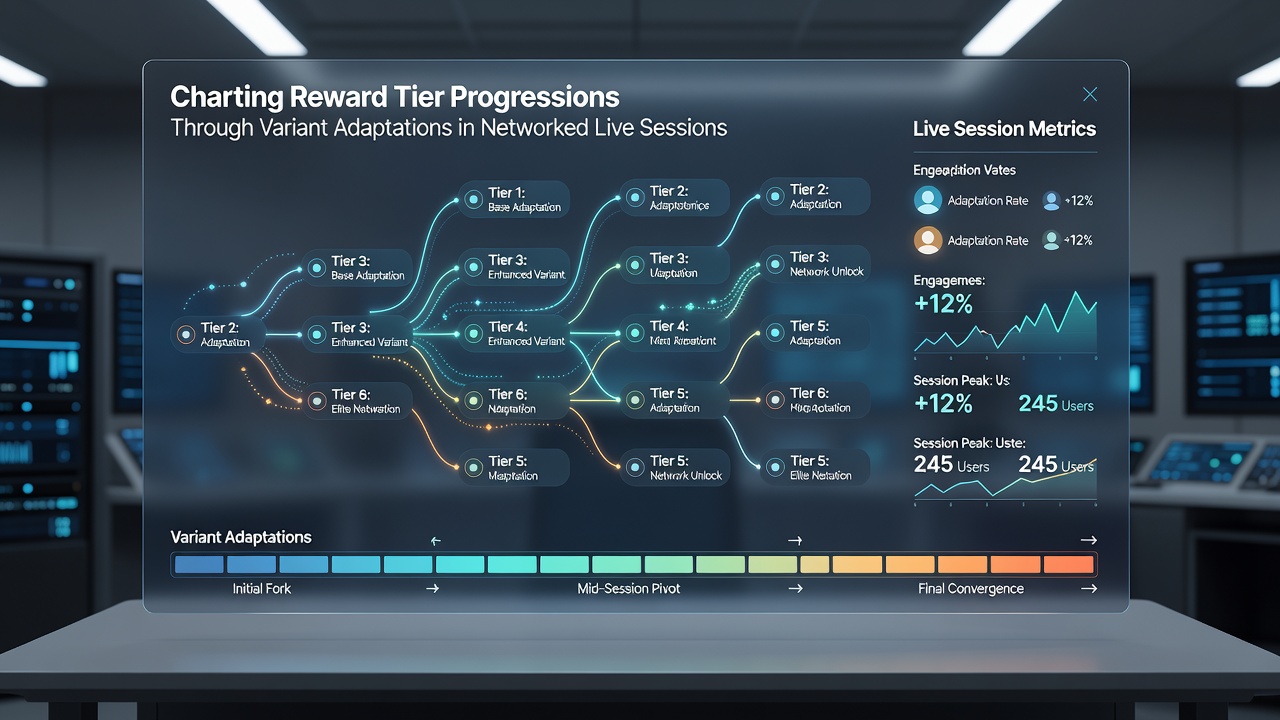
Progression tracking relies on integrated databases that log every session outcome, variant choice, and transaction detail, then translate those metrics into tier points using weighted formulas. Figures from the Canadian Gaming Association show that networks employing real-time analytics achieved 25 percent higher retention at mid-tier levels during the first half of 2026, since players received immediate feedback on how variant selections accelerated their advancement. Operators often segment data by region to account for regulatory differences, which prevents uniform reward structures from conflicting with local rules on bonus issuance and session caps.
Regional Regulatory Influences on Reward Structures
Regulatory bodies shape how rewards scale with variant adaptations, and operators must align tier systems with jurisdiction-specific guidelines on player incentives. In Australia, state-level gaming commissions require transparent reporting of how variant changes affect bonus distribution, which has led networks to publish periodic updates on tier thresholds. Similar oversight exists in several European markets where data transparency rules encourage operators to disclose progression rates, allowing independent verification of fairness in reward allocation across live formats.
June 2026 brought additional reporting mandates in select provinces that require networks to separate tier data by variant category, highlighting whether speed-focused sessions produce faster advancement than standard formats. This separation helps regulators assess whether adaptations create unintended concentration of rewards among frequent participants.
Operational Strategies for Sustained Tier Movement
Operators implement adaptive payment gateways and loyalty multipliers that respond to variant performance metrics, which keeps tier progressions aligned with overall network health. When one variant shows declining participation, networks often introduce targeted point bonuses for that format to rebalance activity across the ecosystem. Evidence from industry reports demonstrates that such targeted interventions maintain steady upward movement through tiers without requiring across-the-board increases in reward generosity.
Those managing large networks also monitor cross-variant participation to identify players who diversify their session choices, since data patterns reveal that multi-variant engagement correlates with longer-term tier stability. This approach reduces churn at higher tiers where requirements become more demanding.
Conclusion
Reward tier progressions in networked live sessions depend on continuous adaptation of variants and precise integration of session data with regulatory frameworks, and operators continue refining these systems to balance accessibility with compliance across regions. As networks expand variant offerings and refine tracking methods, tier advancement remains tied to measurable participation metrics rather than fixed schedules, allowing the structure to evolve alongside player behavior and jurisdictional requirements.