12 Jul 2026
Seamless Transitions: Adaptive Payments Linking Practice Modes to Live Blackjack Variants in Networked Tournaments
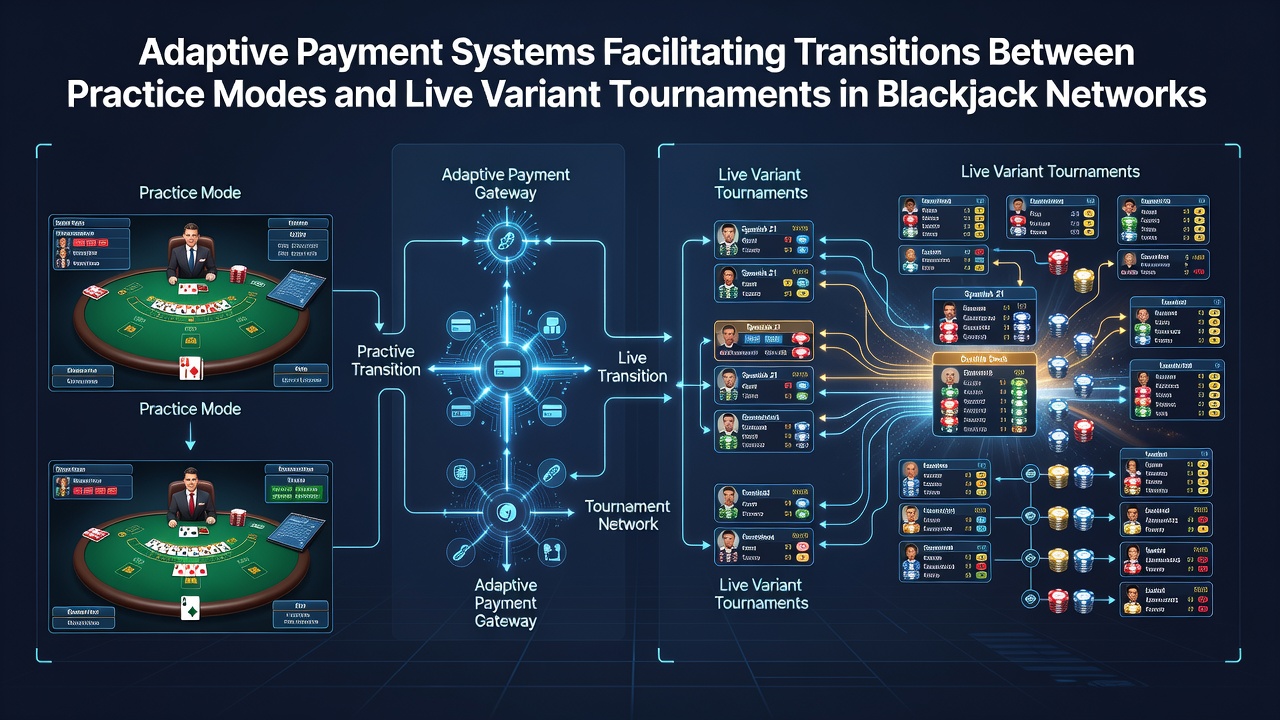
Adaptive payment systems now support direct movement from practice environments into live variant tournaments within blackjack networks, allowing participants to maintain consistent account balances and transaction histories across both settings. These systems handle currency conversions, bonus allocations, and fee structures automatically while players shift between demo rounds and competitive brackets. Network operators integrate these tools to reduce friction during mode changes, and data from multiple platforms shows increased retention when transitions occur without separate funding steps.
Core Mechanics of Adaptive Payments in Blackjack Networks
Payment processors embedded in blackjack networks detect when a user exits practice mode and enters a live tournament queue, then apply predefined rules for fund transfers. These rules account for variant-specific entry fees, such as those used in Spanish 21 or double-deck formats, while preserving any accumulated loyalty points earned during practice sessions. Operators configure thresholds so that small practice wins convert directly into tournament credits without manual intervention. Research from gaming technology firms indicates that such automation cuts transaction time by more than half compared with earlier manual processes.
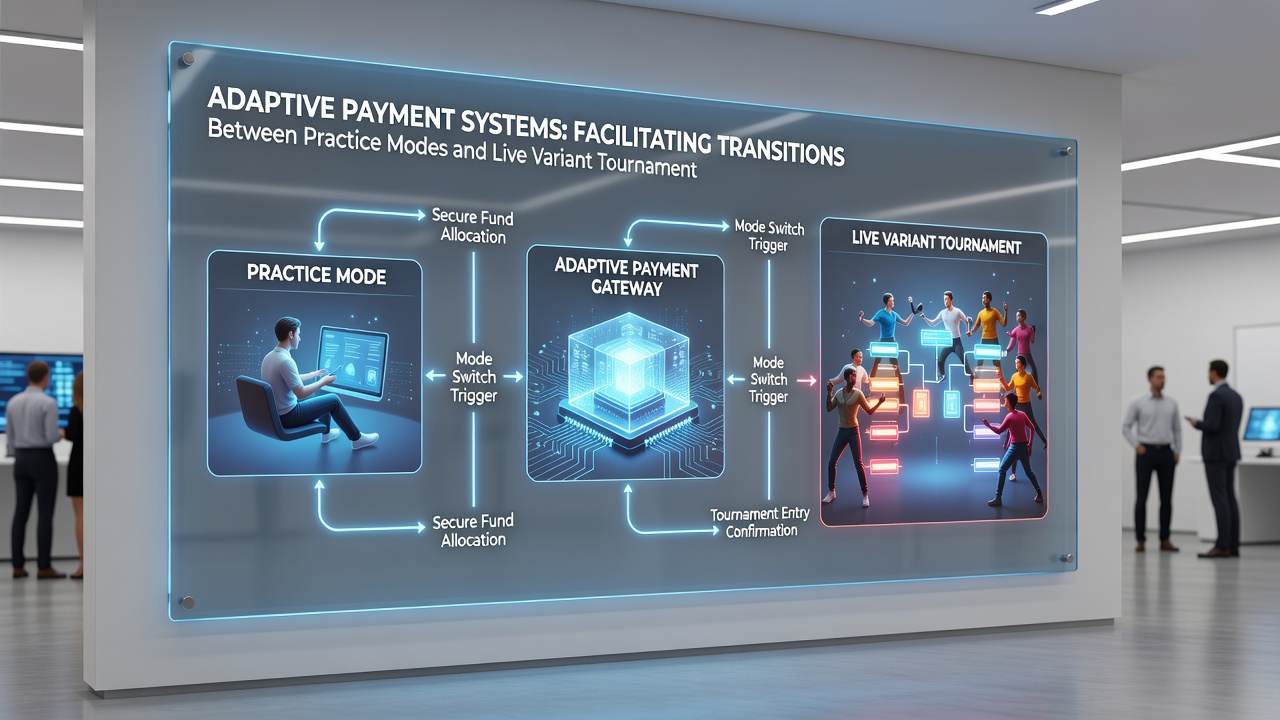
Security protocols within these systems rely on token-based authentication that remains valid across both practice and live segments. When a player selects a tournament bracket, the payment layer confirms available balance and applies any applicable rake or commission in a single verification step. This approach prevents duplicate authorization requests that previously interrupted play flow. Observers note that networks adopting these methods report fewer abandoned sessions during the critical switch from practice to competition.
Transitions Between Practice and Live Tournament Environments
Players often begin in practice modes to test rule variations before committing to scheduled live events. Adaptive payments track performance metrics from those sessions and apply them to tournament seeding or buy-in discounts when eligibility criteria are met. In July 2026, several major networks updated their platforms to include real-time synchronization of practice statistics with live bracket registration, enabling faster qualification for variant-specific events. The process links individual hand histories to payment ledgers so that successful practice outcomes influence available stake levels in upcoming tournaments.
Variant tournaments frequently impose different payout structures and side-bet rules than standard tables. Adaptive systems adjust payment routing accordingly, directing winnings to either a practice wallet or a tournament escrow depending on the active mode. This routing occurs through backend scripts that reference the tournament schedule and player preference settings. Those who have examined network logs report that seamless routing correlates with higher completion rates for multi-variant events.
Integration with Mobile and Networked Platforms
Mobile applications connected to blackjack networks embed adaptive payment modules that function identically on both practice and live interfaces. When a user taps to join a live variant bracket, the app queries the payment service for confirmation while preserving any ongoing practice streak data. This continuity supports reward programs that span both environments without requiring users to switch applications or re-enter credentials. Platform analytics show that integrated mobile systems handle thousands of such transitions daily with minimal latency.
Network-wide leaderboards draw from combined practice and live performance data, and payment systems contribute by validating that all recorded results stem from properly funded sessions. When discrepancies appear, the adaptive layer flags the account for review before the next tournament entry. According to findings published by the Responsible Gambling Council, consistent payment validation across modes helps maintain integrity in competitive structures.
Regulatory and Operational Considerations
Jurisdictions overseeing networked blackjack require operators to maintain clear separation between practice funds and real-money tournament entries. Adaptive payment systems address this by maintaining segregated ledgers that update automatically during mode changes. Compliance teams audit these ledgers periodically to confirm that transitions adhere to local rules on prize pooling and entry validation. Reports from the Gaming Standards Association highlight how standardized payment APIs simplify these audits across multiple regions.
Operators also configure these systems to accommodate time-sensitive tournament schedules. When registration windows open, the payment layer prioritizes live-mode funding requests while still permitting continued practice access for non-participants. This dual-path handling prevents bottlenecks during peak registration periods and supports simultaneous operation of multiple variant brackets.
Conclusion
Adaptive payment systems have become central to how blackjack networks manage movement between practice modes and live variant tournaments. By automating fund routing, preserving performance data, and supporting regulatory separation requirements, these tools enable efficient participation across both environments. Continued platform updates through 2026 and beyond are expected to refine synchronization features while maintaining compliance standards across different jurisdictions.