21 Jun 2026
Smartphone Blackjack Competitions Blend Rule Tweaks, Live Dealers, and Reward Structures
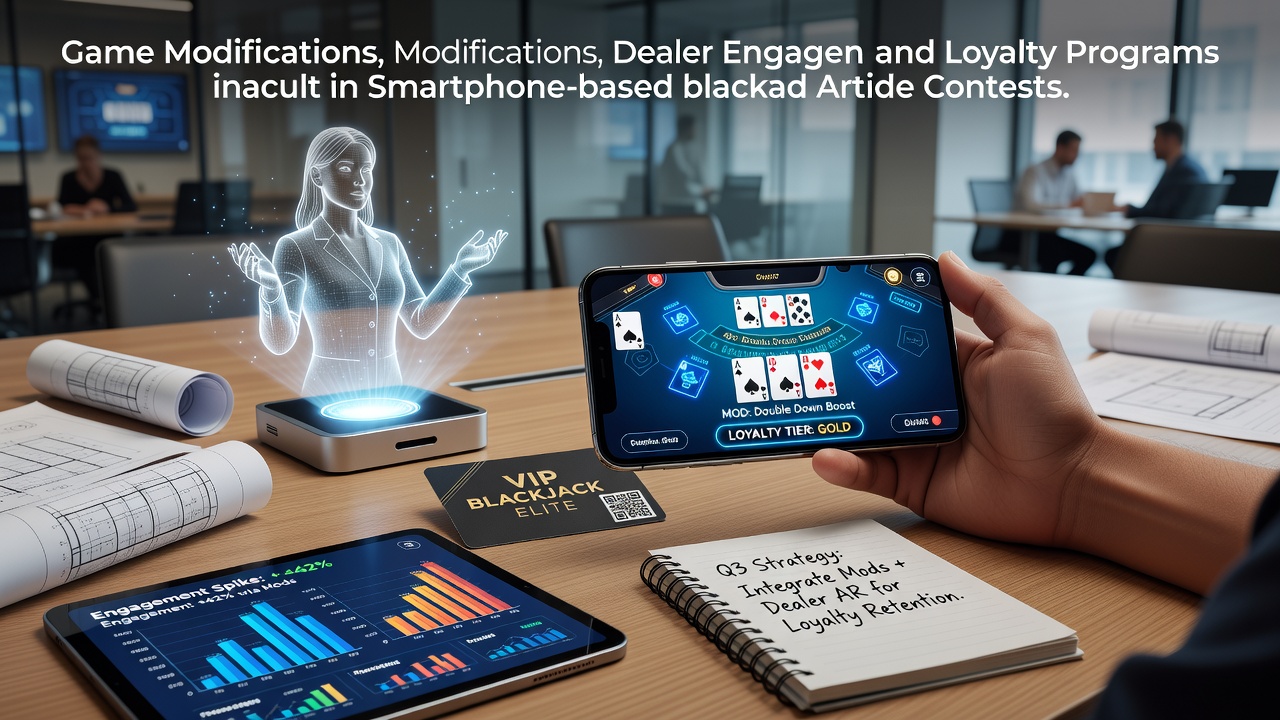
Smartphone-based blackjack contests integrate modified game rules, live dealer sessions, and structured loyalty programs into unified platforms that operate across multiple regions. Data from industry reports shows these elements intersect when apps allow players to adjust variants such as infinite blackjack or side bet options while connecting to real-time dealers and accumulating points toward tiered rewards. Observers note that this combination supports bracket-style tournaments where participants advance based on performance metrics tracked through digital wallets and adaptive payment systems.
Game modifications in these contests often include rule variations like reduced deck counts, altered payout structures, or added features such as surrender options and insurance adjustments. Researchers at academic institutions have documented how these changes appear in networked mobile environments, where users select settings that influence strategy during live sessions. Those modifications connect directly to tournament brackets because scoring algorithms incorporate the specific rules active in each round, which creates pathways from practice modes to competitive events.
Dealer Engagements Shape Mobile Tournament Dynamics
Live dealer interactions occur through video streams integrated into smartphone apps, allowing real-time decisions that affect game flow and player progression. Studies indicate these engagements maintain standard blackjack procedures while adapting to variant rules selected by participants. Data shows dealers handle multiple tables simultaneously in some platforms, which influences pacing and creates opportunities for loyalty program bonuses tied to session length or win streaks. Experts observe that such interactions remain consistent even as regulatory updates approach in June 2026, when certain jurisdictions plan reviews of mobile gaming standards.
Participants often find that dealer choices, including card dealing speed and table announcements, integrate with app-based loyalty tracking. This setup enables rewards such as bonus credits or entry into higher-stakes brackets when users complete specified numbers of live hands. Figures from trade associations reveal that platforms using these systems report higher retention rates among users who combine dealer sessions with accumulated points.
Loyalty Programs Link Practice Sessions to Competitive Brackets
Loyalty structures in smartphone blackjack typically feature tiered systems where points earned from modified games and dealer rounds convert into tournament entries or cash equivalents. According to reports from the American Gaming Association, these programs operate alongside digital payment options that facilitate seamless transitions between free practice and paid contests. Users advance through levels by meeting criteria that blend win rates, session frequency, and variant mastery.
Evidence from platform analytics demonstrates how loyalty incentives encourage exploration of rule modifications, since certain variants yield bonus multipliers during live dealer events. This linkage supports bracket competitions where standings reflect both skill and accumulated rewards. Those who study mobile gaming note that payment flexibility, including instant wallet transfers, plays a central role in maintaining engagement across these interconnected features.
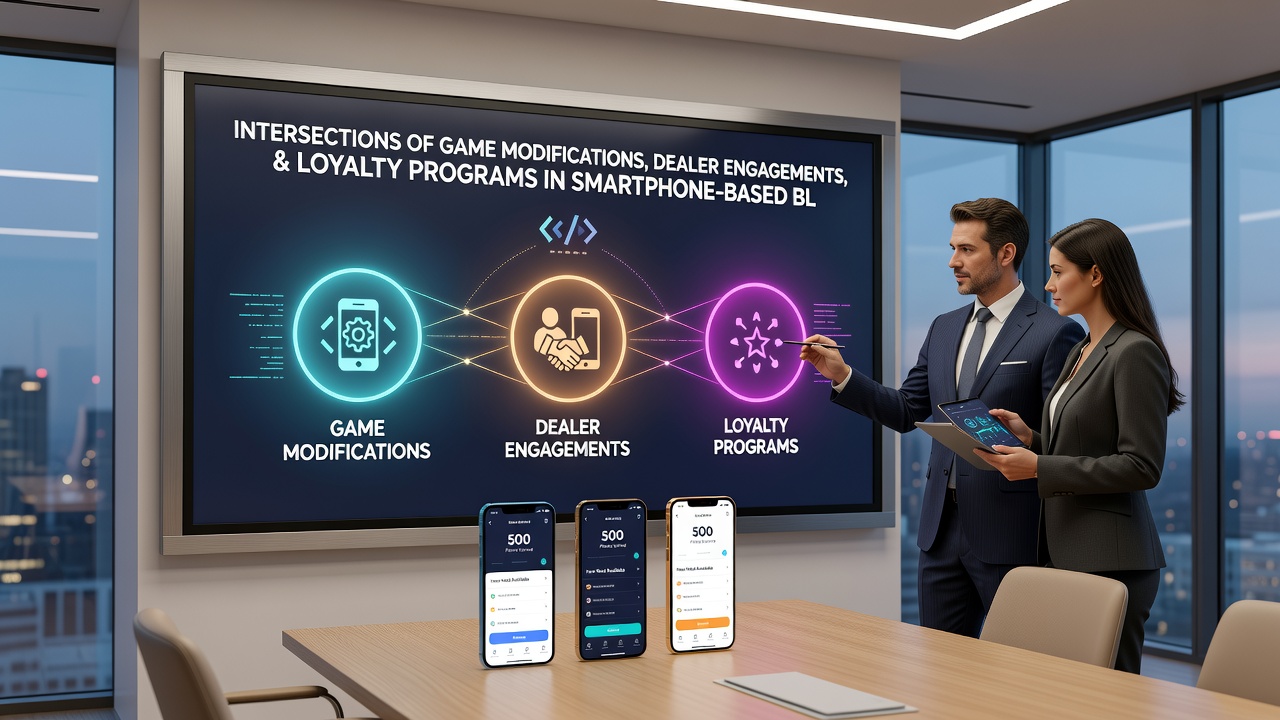
Intersections Across Networked Environments
The intersections become evident when modified rules influence dealer interactions and simultaneously feed into loyalty calculations within the same app session. For instance, a player selecting a high-volatility variant might receive dealer prompts adjusted for that format while earning accelerated points toward rewards. Research from European gaming studies indicates these overlaps create measurable effects on tournament outcomes, particularly in brackets that span multiple time zones.
Payment systems further tie these components together by enabling quick deposits that unlock loyalty bonuses or entry fees. Observers point out that this occurs without disrupting live dealer flow, since transactions process in the background. As June 2026 nears, platforms continue refining these integrations to align with evolving compliance requirements in various markets.
Case examples from industry reports include apps where users progress from demo rounds using modified rules to live events featuring the same dealer pool, with loyalty tiers determining prize eligibility. Data indicates such pathways rely on consistent tracking across all three elements rather than isolated features.
Conclusion
Smartphone blackjack contests demonstrate clear connections among game modifications, dealer engagements, and loyalty programs through shared data systems and tournament structures. These intersections support competitive play while adapting to technological and regulatory shifts expected around June 2026. Information from regulatory bodies and academic sources confirms that the combination remains central to how mobile platforms organize and sustain user participation in networked environments.