19 May 2026
Strategic Shifts in Blackjack Variants: How Mobile Access Ties Tournament Brackets to Reward Structures and Payment Flexibility
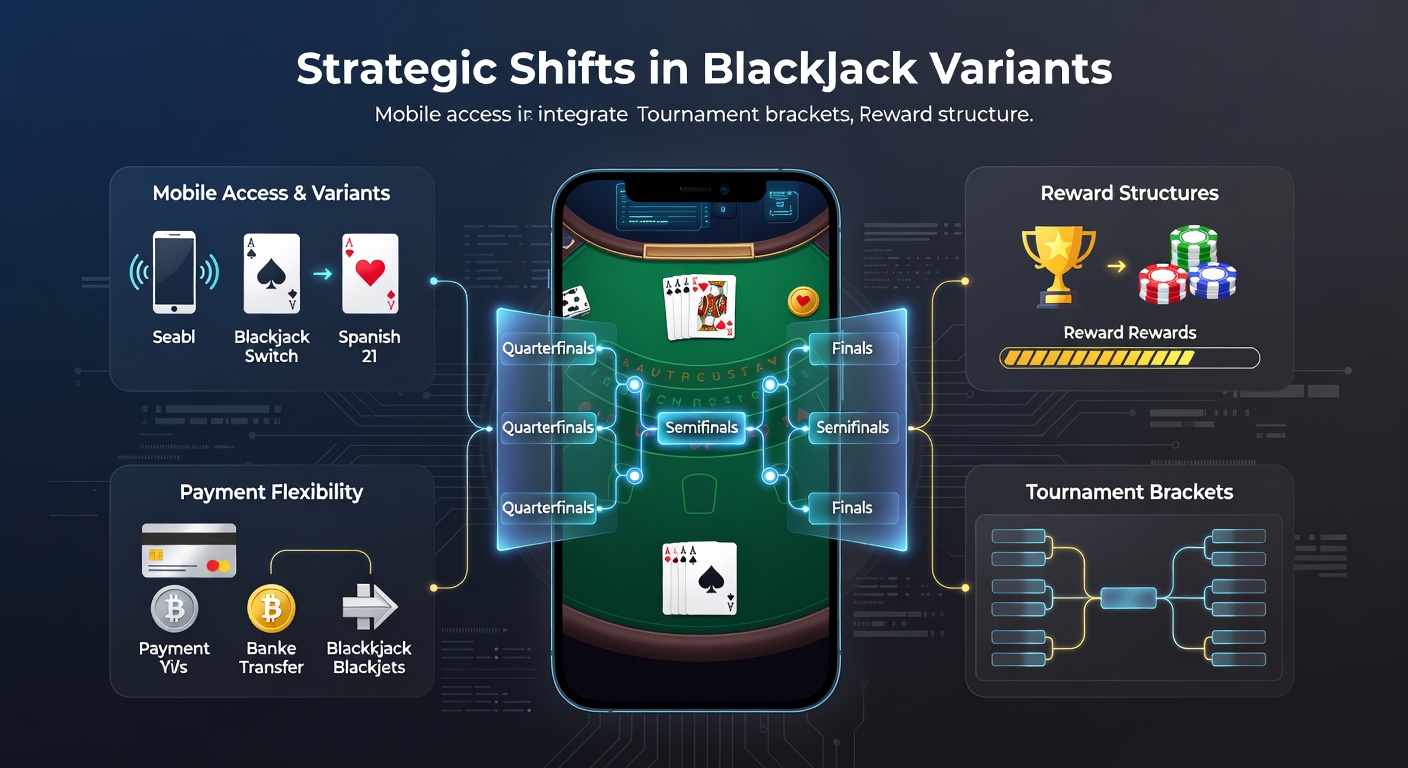
Blackjack variants have undergone measurable changes as mobile platforms integrate tournament brackets directly with reward structures and payment systems, and data from multiple gaming jurisdictions shows increased participation rates in formats that allow real-time adjustments. Observers note that players can now move between single-hand variants and multi-round tournament modes without leaving the same application, while bracket progression updates automatically once deposits clear through integrated processors.
Bracket Integration and Mobile Tournament Formats
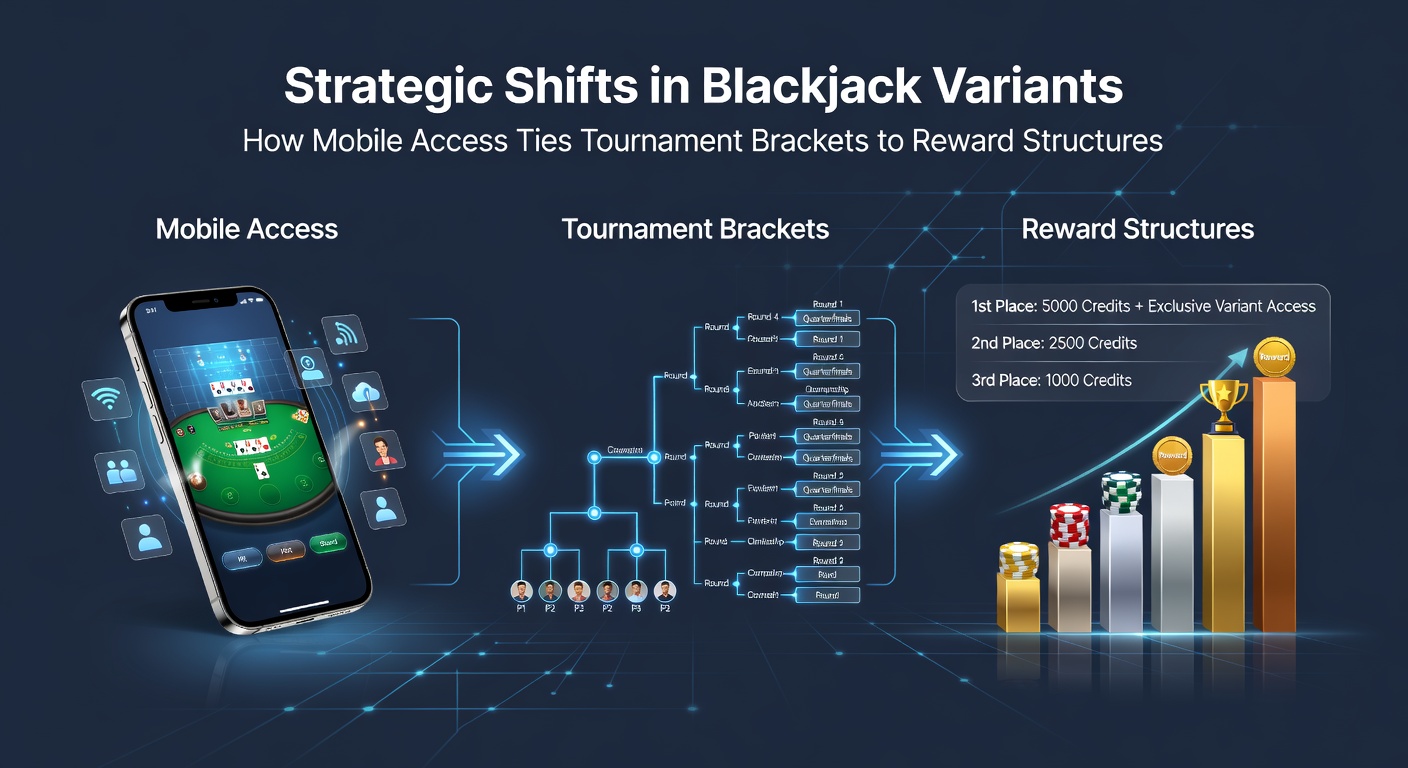
Networked mobile systems connect tournament brackets to individual performance metrics so that advancement depends on both win rates and the timing of deposits, and studies from regulatory bodies indicate that this linkage has altered how participants allocate bankrolls across sessions. One study revealed that brackets in mobile environments refresh every few minutes during peak hours, which means players adjust strategies mid-round to protect their position rather than waiting for traditional reset periods at the end of each day.
Payment flexibility plays a central role because instant deposit options let users top up mid-bracket without interrupting play, and figures from industry reports show that tournaments offering same-minute funding see higher completion rates than those requiring pre-registration deposits. Researchers discovered that variants incorporating progressive reward multipliers tied to bracket stage tend to retain users longer when mobile wallets support multiple funding sources in a single interface.
Reward Structures Linked to Payment Timing
Reward structures now scale according to when and how players fund their accounts during a tournament cycle, so early deposits often unlock higher multiplier tiers that carry forward through later brackets. Data indicates that systems tracking deposit velocity alongside hand outcomes create layered incentives where strategic payment decisions influence overall payout potential. Those who've studied these platforms report that reward tiers reset on a schedule aligned with bracket advancement rather than calendar dates, which encourages participants to time their funding windows precisely.
Variant-Specific Strategic Adjustments
Players adapt basic strategy charts differently once mobile access introduces variable reward multipliers tied to bracket position, and evidence suggests that side-bet frequencies increase in early rounds when deposit bonuses remain active. Later bracket stages often see more conservative play because accumulated rewards depend on maintaining position rather than maximizing each hand. Tournament organizers have observed that variants with dynamic rule sets, such as changing dealer hit rules based on active player count, respond well to mobile interfaces that display rule changes alongside current bracket standings.
Payment processors integrated into these platforms allow users to switch between credit, e-wallet, and bank transfer options without exiting the game view, and this seamless movement supports the continuous bracket updates that define modern mobile tournaments. According to updates from the Nevada Gaming Control Board, such integrated systems must maintain audit trails that link each payment event to bracket progression logs, which adds another layer of data that analysts use to evaluate strategic patterns across large player pools.
Regulatory Context and Upcoming Developments
Regulatory frameworks continue to evolve alongside these technical integrations, and preparations for expanded mobile tournament licensing are scheduled to take effect in May 2026 across several North American markets. The Alcohol and Gaming Commission of Ontario has published guidelines requiring clear disclosure of how payment timing affects reward eligibility, which gives participants standardized information before they enter brackets. Industry organizations tracking these changes note that operators must now separate tournament entry fees from deposit-driven reward bonuses in their reporting, a distinction that influences how strategies develop in practice.
Case examples from networked platforms illustrate the shift: one operator introduced a bracket system where reward multipliers doubled after a second deposit within the same round, and subsequent data showed altered betting patterns among users who previously spread funds evenly. Another implementation tied payment confirmation speed to bracket seeding, giving faster funders slight positioning advantages that carried through elimination rounds. These mechanics demonstrate how mobile access has turned payment flexibility into a strategic variable rather than a background convenience.
Conclusion
The connection between mobile access, tournament brackets, reward structures, and payment flexibility has produced measurable strategic shifts across blackjack variants, with data showing that timing and method of funding now factor into decision-making alongside traditional card-counting considerations. As licensing expansions approach in May 2026, platforms continue refining these linkages to meet regulatory standards while maintaining the fluid experience mobile users expect. Observers continue monitoring how these systems influence participation rates and payout distributions across different player segments.