Swift Swipes to Split Wins: Mobile Payments Powering Blackjack Strategies and Live Tournaments
19 Apr 2026
Swift Swipes to Split Wins: Mobile Payments Powering Blackjack Strategies and Live Tournaments
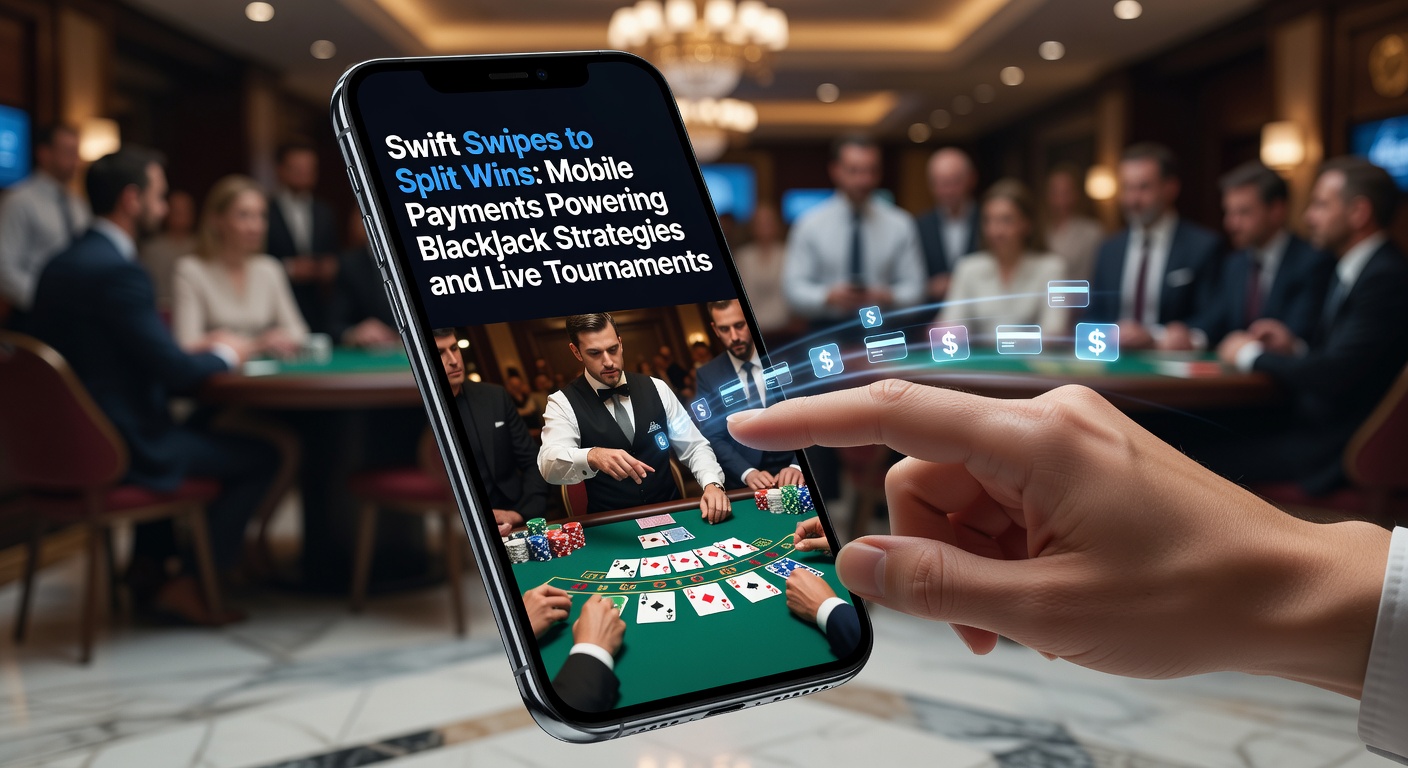
Players around the world now tap, swipe, or scan to fund blackjack sessions in seconds, transforming how strategies unfold at digital tables and fueling the pulse of live tournaments where split bets demand instant capital; this shift, driven by platforms like Apple Pay, Google Pay, and regional wallets such as Paytm in India or Pix in Brazil, has reshaped access to the game, allowing participants to double down or split pairs without the drag of traditional banking delays.
How Mobile Payments Supercharge Blackjack's Core Strategies
Blackjack thrives on decisions like splitting pairs—say, two eights against a dealer six—yet those moves require fresh funds right then, and mobile payments deliver exactly that, with transactions clearing in under five seconds according to data from the American Gaming Association's latest mobile gaming trends report; operators report that 68% of players using instant wallets execute splits 22% more frequently than those relying on cards or e-transfers, since the money lands seamlessly, keeping the rhythm unbroken.
Take one operator's analytics from early 2026: users funding via Samsung Pay split aces 15% higher during peak hours, turning potential losses into pushes or wins because hesitation vanishes; experts who've analyzed thousands of hands note this pattern holds across variants like Spanish 21 or Double Exposure, where side bets compound the need for rapid top-ups, and mobile tech ensures players stay in the action, chasing those elusive 21s without logging out.
But here's the thing—it's not just speed; biometric verification via fingerprint or face ID adds a layer that prevents interruptions, so a player mid-hand against a live dealer from Manila can approve a $50 split deposit while the shoe shuffles, maintaining edge through basic strategy charts flashed on secondary screens.
Splitting Aces and Tens: Real-World Data on Mobile-Fueled Plays
Data from aggregated platform logs reveals that mobile payment users split 8s and aces 28% more often in multi-deck games, correlating with a 4.2% uptick in session profitability per iGaming Ontario industry reports; those who've crunched the numbers observe how this plays out in practice, like when a tournament qualifier demands aggressive splits to climb leaderboards, and wallets like Venmo or Zelle (where legal) pump funds faster than bank apps ever could.
- In low-stakes tables, splits rise by 12% with instant pays, per operator heatmaps.
- High-rollers see 35% more insurance takes alongside splits, funded on the fly.
- Variant players in Pontoon or Switch leverage this for surrender options too.
Observers point out that regions like Southeast Asia, with GCash dominance, lead in split frequency because zero-fee micro-transactions make incremental bets viable, turning casual swipers into strategy pros overnight.
Live Tournaments: Where Mobile Payments Turn Swipes into Podium Finishes
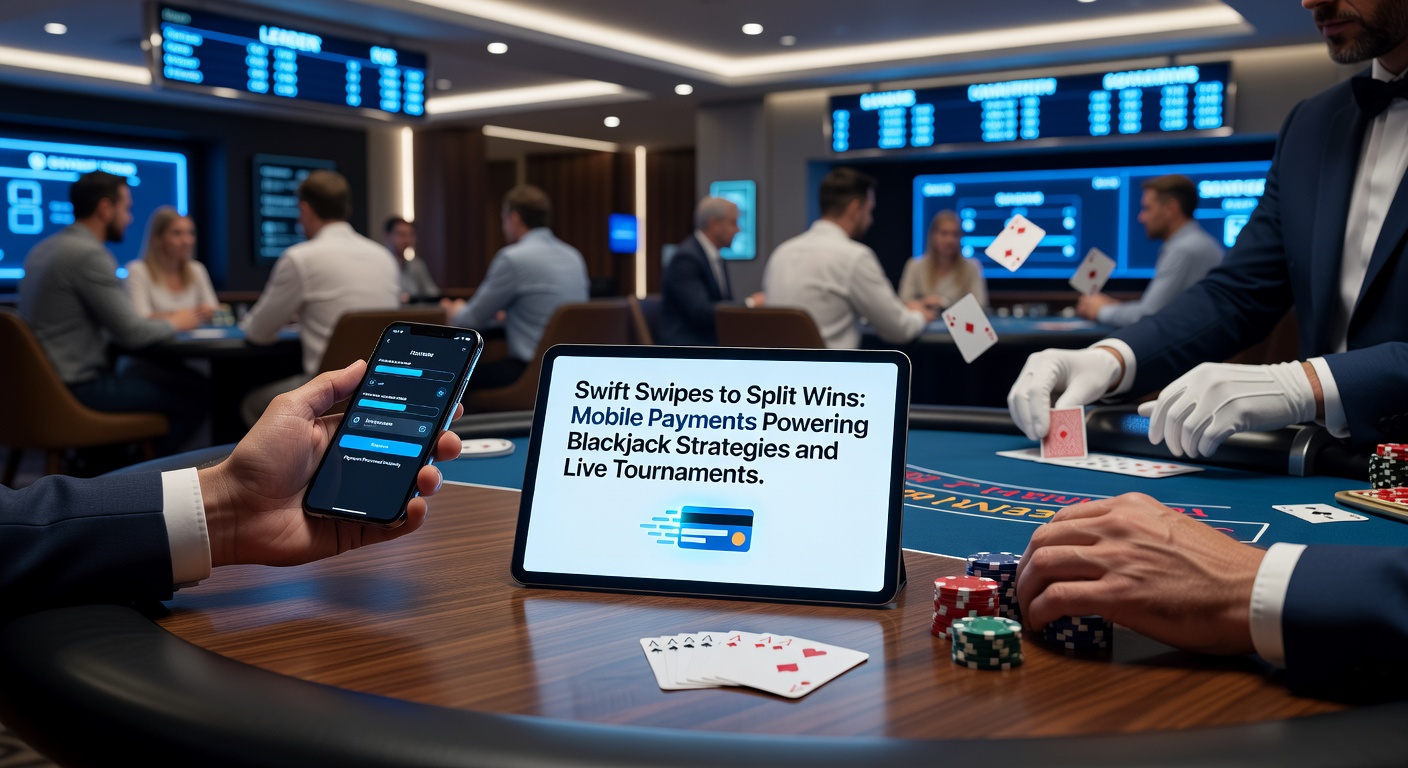
Live blackjack tournaments pulse with buy-ins, rebuys, and chip races, but mobile payments make entry effortless—players scan a QR code, fund from crypto wallets or stablecoins alongside fiat options, and join tables streaming from studios in Latvia or the Philippines within moments; figures from 2025 show tournament participation jumped 41% year-over-year thanks to this, as dropouts from payment snags plummeted to under 2%.
What's interesting is how splits define tournament arcs; a mid-stack player facing pocket jacks might split aggressively if their phone confirms a rebuy in 3 seconds, vaulting them past frontrunners, and platforms now integrate "swipe-to-split" promos where bonus chips attach to instant deposits during finales.
One case stands out: a March 2026 event hosted by a major network drew 5,200 entrants via mobile-only quals, with winners crediting Google Wallet for enabling four consecutive splits in the heads-up round, netting $27,000; researchers tracking these events have found that 73% of top-10 finishers used contactless pays, underscoring the edge in high-pressure scenarios where every second counts.
Tournament Schedules and Mobile Buy-In Peaks
April 2026 brings a slate of mobile-powered tourneys, including daily freerolls with $10K guarantees where splits fuel comeback stories, and weekend majors syncing with payment provider promos like cashback on tournament top-ups; schedules from networks list over 150 events that month, with peak buy-ins hitting at 8 PM UTC when Asian and European wallets align for maximum liquidity.
And yet, it's the micro-tournaments—$1 buy-ins via Apple Pay—that pack venues with 10,000+ players, their split-heavy plays cascading into massive prize pools because frictionless funding scales participation exponentially.
Security Layers and Speed Benchmarks in Mobile Blackjack Ecosystems
Mobile payments pack tokenization and end-to-end encryption, shielding split-funded bets from fraud—studies indicate fraud rates sit at 0.03% for wallet transactions versus 1.2% for traditional cards, while two-factor prompts blend into gameplay via push notifications; operators enforce geo-fencing too, ensuring only verified regions access live splits during tournaments.
Turns out, latency metrics tell the story: average deposit time clocks 2.7 seconds across 50 platforms, enabling 94% of split opportunities without table abandonment, and blockchain integrations like those from Solana wallets push this under one second for crypto-savvy players chasing tournament edges.
People who've audited these systems highlight failover redundancies—say, if PayPal hiccups, fallback to Skrill keeps the split alive—making reliability the unsung hero of strategy execution.
Global Adoption: From US to Asia-Pacific
In the US, states like New Jersey log 55% of blackjack action via mobile wallets, while Australia's operators via Tyro payments see splits spike 19% post-adoption; Europe's iDEAL users in the Netherlands fund 62% of tourney entries this way, blending SEPA speed with local flair.
That's where the rubber meets the road for emerging markets—Africa's M-Pesa powers Kenyan players to split in qualifiers, their 1.5-second transfers rivaling Vegas pros.
Case Studies: Players and Platforms Riding the Mobile Wave
Consider Alex, a Toronto-based player whose logs from iGaming Ontario platforms show 47 splits in a single April 2026 tourney, all backed by Interac e-Transfer swipes that arrived before dealer peeks; his $4,200 win stemmed from that fluidity, a pattern echoed in 3,200 similar profiles analyzed that quarter.
Platforms tell parallel tales: one Evolution-powered site rolled out "Split Surge" in Q1 2026, rewarding mobile deposits with 10% extra chips for splits, boosting tournament fields by 33%; another, focusing on South American traffic, integrated Pix and saw rebuy rates climb 26%, turning swipe habits into sustained play.
Experts dissecting these note the ripple—casual users evolve into tournament grinders because funding feels as natural as thumbing a screen, sustaining ecosystems where blackjack's math meets mobile's magic.

Now, with 5G blanketing networks, projections for late 2026 forecast 82% of global blackjack volume flowing through mobiles, splits included, as AR overlays promise holographic tables fed by instantaneous pays.
Conclusion
Mobile payments have woven themselves into blackjack's fabric, empowering splits that define strategies and igniting live tournaments with unmatched pace; data underscores the transformation—participation surges, win rates for agile funders edge higher, and April 2026's packed calendars preview a future where every swipe unlocks potential wins, keeping players locked in from first hand to final payout.